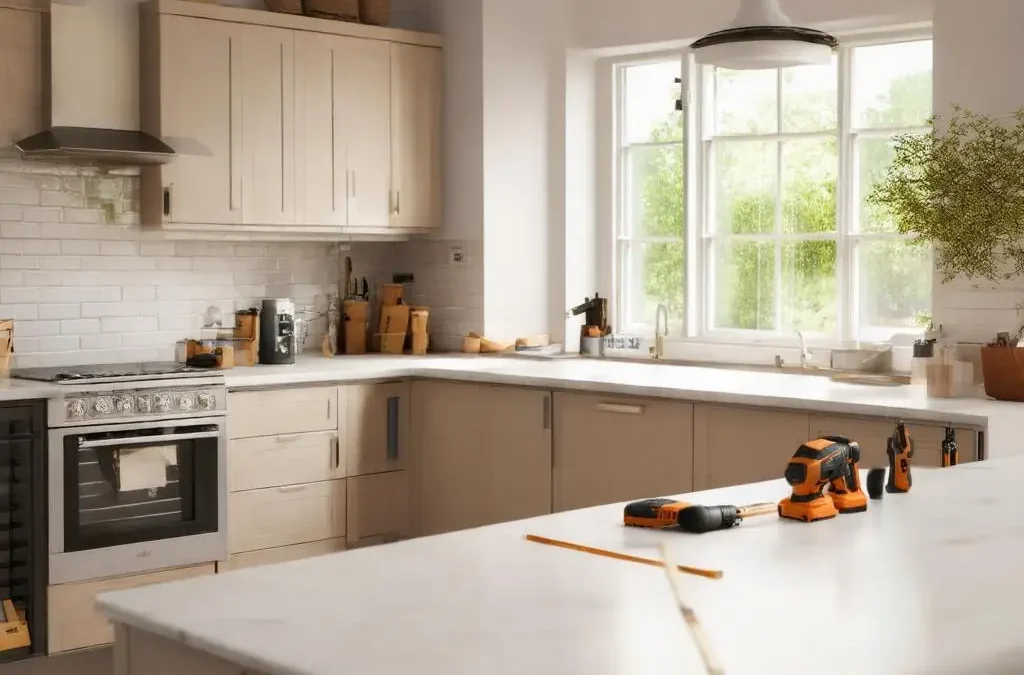
Across the UK, a steady rise in DIY home renovation is reshaping how households plan improvements. Recent market research indicates that kitchens and bathrooms remain the top priorities, with most projects scoped to modest, carefully controlled budgets. What is driving this growth? Accessible how‑to content, affordable tools, and an expanding range of ready‑to‑fit components mean more people have the confidence to take on upgrades themselves. In parallel, interest in sustainable materials and water‑ or energy‑saving enhancements continues to climb, reinforcing the appeal of projects that deliver both design value and measurable efficiency.
Within this landscape, the kitchen leads the way as the room where modest changes can produce outsized impact. Replacing tired doors, matching end panels and plinths, and refreshing handles and hinges can transform the look and feel of a kitchen without the disruption or expense of a full refit. The same approach applies to wardrobes and bedroom storage, where new fronts provide a clean, contemporary finish while retaining existing carcasses.
Doorfinder exists squarely in this sweet spot of cost‑effective transformation. The range covers a breadth of styles—high gloss doors starting at £10.06, handleless doors from £13.01, matt doors from £11.65, and shaker doors from £21.94—alongside wardrobe doors from £14.27, matching panels, kitchen units, and a wide selection of accessories including soft‑close hinges, handles, and storage solutions. With a lowest price guarantee, expert advice, and free delivery across the UK mainland, Doorfinder’s 24/7 online service is built to support DIY enthusiasts who want quality at a sensible price point, and the reassurance that help is at hand when needed.
A High‑Impact, Low‑Cost Refresh: Doors, Panels and Hardware
The most efficient route to a modern kitchen look is to retain the existing units and upgrade the visible elements. This is where doors, drawer fronts, end panels, and plinths do the heavy lifting in both design and practicality.
-
Choose a contemporary style:
- High gloss: Reflects light beautifully and suits minimalist or compact kitchens seeking brightness and a sense of space.
- Matt: Understated and tactile, ideal for a refined modern look that resists fingerprints better than gloss.
- Shaker: A timeless framed profile that bridges classic and contemporary schemes, working well with warm woods and modern metals.
- Handleless: Clean lines and easy cleaning; pairs well with integrated lighting for a seamless aesthetic.
-
Coordinate end panels and plinths: These components frame your new doors and deliver a finished, built‑in look. Matching panels conceal cabinet sides and appliance gaps; plinths unify the run at floor level. Ordering panels cut to size saves time and ensures a neat fit.
-
Upgrade hinges and motion: Soft‑close hinges add a premium feel, protect cabinet frames, and reduce noise. When selecting, confirm compatibility with your doors (a standard 35 mm hinge cup is common) and cabinet construction.
-
Refresh handles for instant style: From classic bars to discreet knobs or edge pulls, new handles elevate the whole design. Confirm the centre‑to‑centre hole spacing if you plan to reuse existing holes, or choose new positions for a cleaner layout.
-
Add simple storage solutions: Pull‑out baskets, tray dividers, and drawer organisers create order without reconfiguring the kitchen. Target high‑impact zones—beside the hob for utensils, under the sink for cleaning, and deep base units for pans.
For wardrobes, the same logic applies. Replace tired fronts with fresh, durable doors in a style that complements the bedroom; add soft‑close hinges and interior organisers to maximise space; and, where needed, fit matching end panels for a tailored finish. Doorfinder’s accessible price points across both kitchen and wardrobe ranges make a whole‑room refresh feasible in stages.
Your Weekend Project Plan: Checklist and When to Call a Professional
If you are planning a weekend upgrade, preparation is everything. Use this checklist to streamline your project:
-
Measure existing doors and fronts:
- Record height and width of each door and drawer front.
- Note hinge positions from the top and bottom edges (to the centre of the hinge cup).
- Confirm door overlay (how much the door covers the cabinet frame) or if your units are frameless.
- Count corners and any non‑standard fronts such as bi‑folds or integrated appliance doors.
-
Choose your style and finish:
- Select between gloss, matt, shaker, or handleless based on your kitchen’s lighting, size, and desired maintenance level.
- Decide on colour and whether you prefer matching or contrasting plinths and end panels.
-
Confirm hinge drilling:
- Most modern hinges use a 35 mm cup and standard hole offsets, but check the specification.
- If reusing existing cabinets, match drilling patterns for a straightforward swap.
- Order doors pre‑drilled where possible to save time and ensure accuracy.
-
Order panels to size:
- Measure exposed cabinet sides and appliance housing ends.
- Allow a small scribe margin if walls or floors are not perfectly true.
- Include plinth lengths and any corner posts or filler pieces needed for a seamless line.
-
Prepare tools and consumables:
- Tape measure, combination square, spirit level, sharp pencil.
- Drill/driver with wood bits (including 2 mm–3 mm pilot and 35 mm hinge cup bit if needed).
- Screwdrivers, clamps, and a fine‑tooth saw or track saw for adjustments.
- Edge tape (where applicable), adhesive, touch‑up colour, and soft pads for door closers.
- Safety glasses, dust mask, and hearing protection.
-
Plan your workflow:
- Remove old doors and hardware; label hinges and screws if reusing.
- Fit new hinges to doors first; then hang and adjust for even reveals.
- Install handles after doors are hung to ensure alignment with sight lines.
- Fit end panels and plinths last for a crisp, continuous finish.
When to DIY vs. call a licensed professional:
-
DIY is typically suitable for:
- Replacing doors, drawer fronts, plinths, and end panels.
- Fitting soft‑close hinges and handles.
- Installing non‑electrical storage solutions (pull‑outs, organisers).
- Swapping like‑for‑like LED bulbs or stick‑on lighting that does not require wiring changes.
-
Engage a qualified professional for:
- Structural changes (removing walls, moving doorways, altering cabinet layouts that affect load paths).
- Electrical work beyond plug‑in or battery‑powered fixtures (mains wiring, new circuits, under‑cabinet hard‑wired lighting).
- Plumbing alterations (moving sinks, dishwashers, or installing new taps that require changes to pipework).
- Gas connections or appliance installations.
- Work that may affect compliance with building regulations.
If in doubt, seek expert advice before beginning. Doorfinder’s support team can guide product choices and specifications for a smooth installation, while specialist trades can be scheduled for any tasks outside normal DIY scope.
Build It Better: Sustainability Tips and a Phased Budget Planner
Sustainability and budget discipline go hand in hand when you focus on durable, replaceable finishes and smart efficiency wins.
Practical sustainability tips:
-
Choose durable fronts: Opt for robust, high‑quality door and panel finishes that resist wear. Longevity is the most sustainable choice.
-
Specify low‑VOC finishes and adhesives: Choose low‑VOC products to improve indoor air quality during and after installation.
-
Reuse and recycle: Keep existing carcasses and internal shelves where sound; donate or recycle old doors via community reuse schemes or timber recycling centres. Retain usable hinges and handles as spares.
-
Fit efficient lighting: Upgrade to LED lamps or low‑energy under‑cabinet lighting. LEDs reduce electricity use and heat output, protecting finishes and improving task visibility.
-
Optimise storage to reduce waste: Pull‑outs and drawer organisers make staples visible, helping prevent duplicate purchases and food waste.
A phased budget planner for maximum impact:
Phase 1: Doors and hardware (the high‑impact core)
- Replace all visible doors and drawer fronts first. This immediately updates the aesthetic.
- Select a style aligned to your long‑term vision: high gloss for brightness, matt for understated modernity, shaker for timeless appeal, or handleless for sleek minimalism.
- Add soft‑close hinges and new handles to elevate function and finish.
- Typical spend drivers: number of doors, choice of finish, handle specification. With Doorfinder’s range—high gloss from £10.06, matt from £11.65, handleless from £13.01, shaker from £21.94—you can tailor cost precisely to your plan.
Phase 2: End panels, plinths, and finishing details
- Install matching or complementary end panels to conceal cabinet sides and appliance housings. Fit plinths to tie runs together and create a seamless base line.
- Add finishing trims, corner posts, and edge treatments for a bespoke look.
- If working on wardrobes, include side panels to frame freestanding units for a fitted feel. Wardrobe doors from £14.27 allow you to extend the design language through the bedroom.
Phase 3: Storage upgrades and minor efficiency wins
- Introduce pull‑out baskets, larder units, bin systems, and drawer organisers where they will have daily impact.
- Add LED task lighting or motion‑sensing wardrobe lights where permitted without new wiring.
- Review seals and bumpers for quiet closing and to protect finishes.
Budget control strategies:
- Measure twice, order once: Accurate measurements prevent costly reorders.
- Standard sizes where possible: Choosing common sizes and drilling patterns reduces custom charges and speeds delivery.
- Batch upgrades: Ordering doors, panels, and accessories together can streamline installation and logistics. Doorfinder’s free delivery across the UK mainland reduces transport costs.
- Leverage guarantees and advice: Doorfinder’s lowest price guarantee and expert support help you align specification with budget, ensuring you get the best value without compromise.
Bringing it all together:
By concentrating on doors, panels, and core hardware first, you capture 80% of the visual transformation at a fraction of the cost and disruption of a full remodel. The remaining 20%—storage enhancements, efficient lighting, and small finishing details—can be phased in as time and budget allow. This approach respects both your home’s daily rhythm and your financial plan, while also aligning with sustainability goals through reuse of carcasses and choice of durable, low‑VOC finishes.
When you are ready to begin, compile your measurements, pick your preferred style, confirm hinge drilling, and order panels to size. With clear preparation and a weekend set aside, you can achieve a professional‑looking upgrade that revitalises your kitchen—or wardrobes—without overspending. And with Doorfinder’s quality products, competitive pricing, expert advice, and nationwide delivery, you have the tools and support to make 2025 the year your DIY plans come to life.