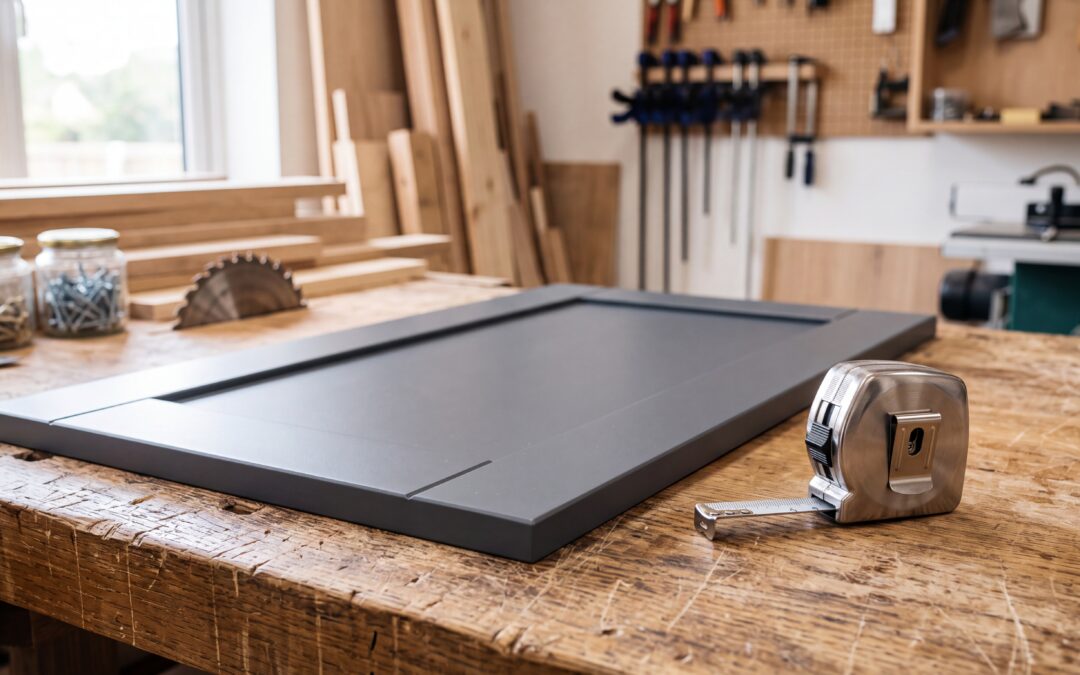
Embarking on a bedroom refurbishment is an excellent way to revitalize your living space without incurring the substantial costs of a complete structural overhaul. Replacing tired or outdated fronts with high-quality replacement bedroom wardrobe doors is a highly efficient method of modernizing your interior. However, the success of this transformation hinges upon precision. Masterfully measuring wardrobe doors ensures a seamless installation, preventing unsightly gaps or misaligned hinges that detract from the overall aesthetic.
Whether you are considering a classic aesthetic or modern minimalism, accurate measurements form the foundation of a successful installation. While the prospect of DIY measurement may initially appear daunting, adhering to a methodical, systematic approach guarantees professional results. This guide outlines the precise steps required to measure your wardrobe doors accurately, ensuring your new additions fit flawlessly.
Essential Tools and Preparation
Before commencing, assemble the necessary equipment: a high-quality metal tape measure (which avoids the stretching associated with fabric alternatives), a pencil, and paper to record your dimensions. It is crucial to measure in millimetres rather than inches, as millimetres represent the industry standard for manufacturing precision.
Where possible, measure the back of your existing wardrobe doors rather than the cabinet carcass itself. This is particularly relevant if you are replacing like-for-like doors that previously functioned perfectly. If you are instead working with a vacant frame or custom aperture, you will need to measure the internal opening and deduct the appropriate tolerances (typically 2mm on each side and 3mm at the top and bottom) to allow for smooth operation.
Measuring Height and Width
To determine the correct height of your wardrobe door, measure the vertical length of the existing door from top to bottom on the reverse side. To account for any structural warping or sagging over time, measure at both the left and right edges. If there is a slight discrepancy, record the smaller measurement to prevent the door from catching on the frame or floor.
To determine the width, measure horizontally across the reverse of the door. Take measurements at both the top and the bottom. Again, if there is a minor variation, utilize the smaller dimension. Should you be transitioning between door types—perhaps evaluating sliding wardrobe doors vs hinged options—be mindful that sliding configurations require different calculation profiles that incorporate track depths and overlaps.
Locating Hinge Hole Positions
If you are opting for traditional hinged doors, specifying the precise hinge hole positions is critical. Measure from the top edge of the door down to the centre of the top hinge hole, and from the bottom edge up to the centre of the bottom hinge hole. If your doors are exceptionally tall, you may have intermediate hinges; measure these from the top edge down to the centre of each intermediate hole. This method aligns closely with standard cabinetry practices, similar to those outlined in our guide on how to measure kitchen cupboard doors.
The Made-to-Measure Advantage
Standard off-the-shelf options frequently fail to accommodate the unique architectural quirks of older homes or bespoke fitted wardrobes. Choosing made to measure doors eliminates the compromise of force-fitting pre-sized options into awkward spaces. This custom approach allows you to select sophisticated designs, such as the elegantly proportioned Bella Cambridge Wardrobe Door, tailored precisely to your bespoke specifications.
Before committing to a final purchase, it is highly recommended to request wardrobe door samples. This allows you to evaluate the texture, weight, and colour of the material in your bedroom’s specific lighting conditions, ensuring the finished product aligns perfectly with your design aspirations. Explore our comprehensive collection of wardrobe doors to find the ideal aesthetic for your next home improvement project.