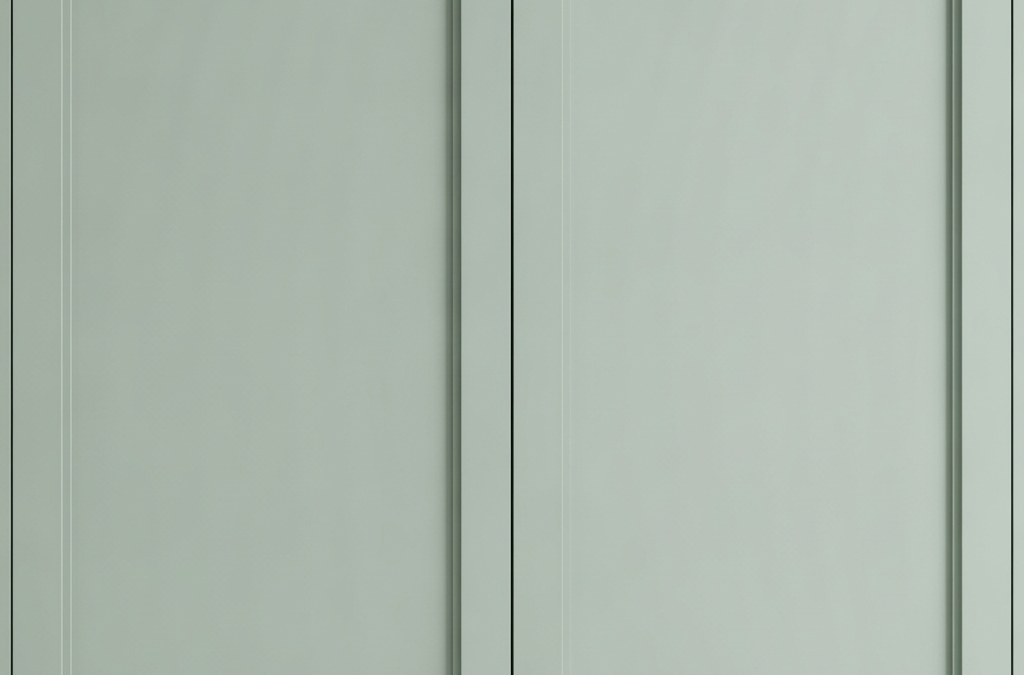
When embarking on a kitchen renovation or refurbishment, selecting the appropriate cabinetry façade is one of the most critical design decisions you will face. Among the myriad options available to modern homeowners, Shaker kitchen doors remain an unrivalled classic. Valued for their elegant simplicity, proportioned geometry, and structural integrity, these doors offer a versatile aesthetic that bridges the gap between traditional craftsmanship and contemporary minimalism.
Originating from the 18th-century Shaker movement—which prioritised utility, honesty of materials, and clean lines—the classic Shaker design has bypassed transient trends to remain a staple of British home design. In this 2026 buying guide, we explore how to select the perfect Shaker doors to elevate your culinary space.
The Architectural Anatomy of Shaker Design
At its core, a Shaker door is defined by its distinctive five-piece construction. This structure comprises a recessed central panel framed by two vertical stiles and two horizontal rails. This simple framing technique avoids superfluous ornamentation, relying instead on clean lines to create shadow and depth. To understand how these components interact to elevate a space, you can read our detailed guide on how to find your perfect Shaker door style.
While traditional variants feature a sharp, ninety-degree step down to the recessed panel, contemporary adaptations may incorporate subtle bevels or chamfered edges to soften the profile. This adaptability ensures that whether you are renovating a rustic country cottage or a sleek urban apartment, there is a Shaker variation suited to your architectural context.
Selecting the Ideal Materials and Finishes
The choice of material and surface finish dictates not only the visual appeal of your kitchen but also its durability and maintenance requirements. Modern manufacturing processes have expanded the options available, combining traditional aesthetics with high-performance engineering.
- Woodgrain and Timber: For those seeking a tactile, organic aesthetic, Shaker-style kitchen doors with a woodgrain texture offer a highly realistic timber effect with enhanced structural stability. Unlike solid wood, high-quality vinyl-wrapped MDF resists warping in humid kitchen environments.
- Matt Finishes: A smooth, matt finish absorbs light, creating a sophisticated, velvety appearance that hides fingerprints and smudges—an ideal choice for high-traffic family homes.
- High Gloss: Though less traditional, a gloss finish on a Shaker profile offers a striking transitional design, reflecting light to make smaller kitchens feel more expansive.
Colour Palettes for 2026
While classic neutrals like porcelain, alabaster, and cashmere remain perpetually popular, the colour landscape for 2026 sees a sophisticated shift towards nature-inspired tones and dramatic, saturated hues. Earthy greens, such as reed green and sage, are highly sought after for creating a calming, organic atmosphere. For those seeking drama and depth, deep indigo and charcoal provide a striking contrast when paired with brass hardware or marble worktops. You can explore a comprehensive spectrum of finishes in our curated Shaker and woodgrain doors collection.
The Practicality of Replacement Doors
One of the most cost-effective methods to modernise an outdated kitchen is to replace only the door fronts, retaining the existing cabinet carcasses. This approach dramatically reduces waste and installation time. For a fully tailored finish, opt for bespoke solutions like the made-to-measure Bella Shaker kitchen door, which can be custom-sized to fit standard units from leading UK manufacturers, including B&Q, Howdens, and IKEA.
By investing in high-quality replacement fronts, you can achieve a bespoke, premium aesthetic without the financial and logistical disruption of a full demolition. Explore our full range of kitchen doors to begin planning your transition to a timeless, beautifully crafted culinary environment.