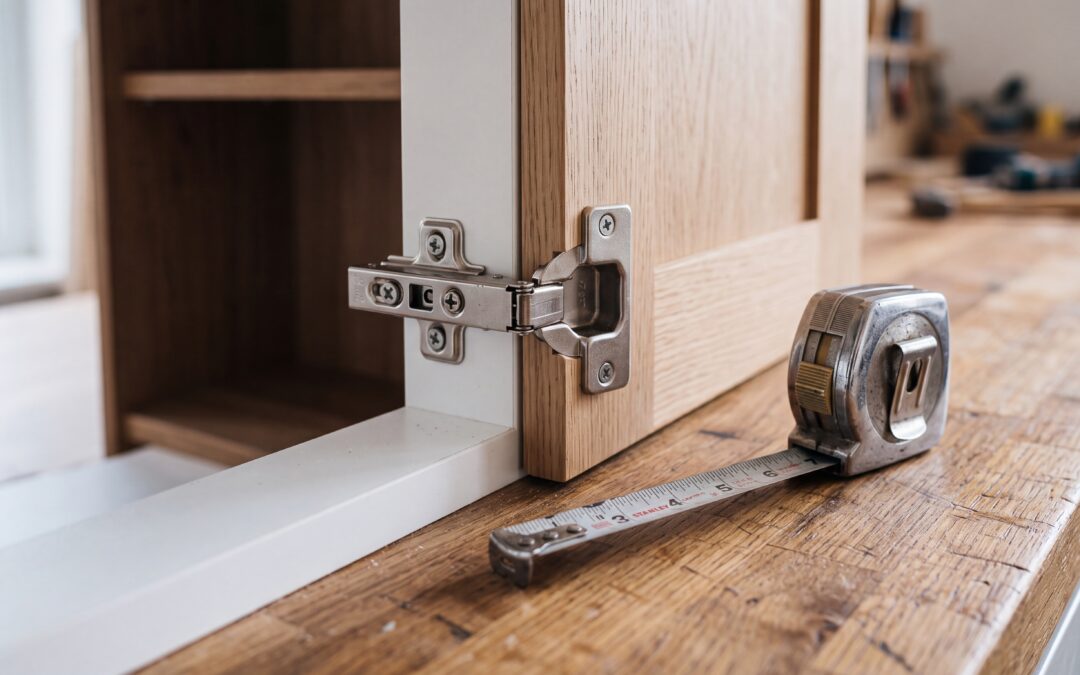
Integrated appliances are fantastic for keeping your kitchen looking sleek and cohesive. By hiding dishwashers, washing machines, and fridge-freezers behind matching cabinet fronts, you get a clean, uninterrupted line across your units. However, when it comes to upgrading or replacing these fronts, getting the measurements right is crucial. Fitting integrated appliance doors is a manageable DIY job once you know the basics.
Whether you are replacing worn-out panels or undergoing a complete refresh with new replacement kitchen doors, this guide walks you through measuring and fitting your integrated appliance doors accurately.
Understanding Your Appliance Mechanism
Before grabbing your tape measure, you need to identify how your appliance door connects to the unit. There are two main fixing types used in modern kitchens:
- Sliding Hinge Mechanism: The decor door is attached directly to the cabinet carcass with its own hinges, and a plastic runner slides along a bracket on the appliance door when opened.
- Fixed Hinge (Door-on-Door) Mechanism: The decor door mounts directly onto the appliance door itself without separate cabinet hinges, moving as a single fixed unit.
Understanding which system you have determines whether you need hinge holes drilled in your new panel. If you are unsure, referring to your original kitchen setup or taking photos before removal can save time later.
How to Measure Integrated Appliance Doors
To ensure your new door fits seamlessly alongside neighbouring cupboards, precision is essential. Follow these simple steps when measuring:
1. Measure the Existing Panel
If you already have a front panel attached, measure its exact height and width in millimetres from the reverse side. Always measure the door panel, not the appliance itself. Standard kitchen door widths in the UK are typically 596mm to allow for a neat 2mm shadow gap on either side of a 600mm appliance opening.
2. Check Split Dimensions for Fridge-Freezers
For integrated fridge-freezers, you will usually need two separate panel doors. You must check the split ratio of your appliance, such as 50/50, 60/40, or 70/30. Measure the height of the bottom door and the top door independently, ensuring the join aligns perfectly with the break between the freezer and fridge compartments.
3. Note Hinge Hole Positions
If your appliance uses a sliding mechanism, measure from the top and bottom edges of the door to the centres of the hinge holes. Ordering pre-drilled doors makes installation much simpler.
Fitting Your New Integrated Door Panel
Once your new panel arrives – whether you selected sleek handleless kitchen doors or a classic Shaker finish – fitting it is straightforward with the right tools.
Start by attaching the mounting brackets supplied with your appliance to the back of the decor door. Hold the door against the appliance to mark your screw locations, ensuring it sits level with adjacent cabinet doors. Secure the brackets, then hook or fasten the panel onto the appliance door.
Finally, adjust the alignment screws on the fixing brackets to fine-tune the height and depth until the panel sits flush with the rest of your kitchen units. If you need replacement brackets, hinges, or fixings, exploring specialist kitchen door accessories can help you find exact matches.
A Smart Upgrade for Your Kitchen
Upgrading appliance panels is one of the easiest ways to give your home a fresh look without the disruption of a full refit. Choosing to replace doors, not units keeps your project quick, affordable, and rewarding. With accurate measurements and a bit of patience, your integrated appliance doors will blend seamlessly into your refreshed kitchen space.