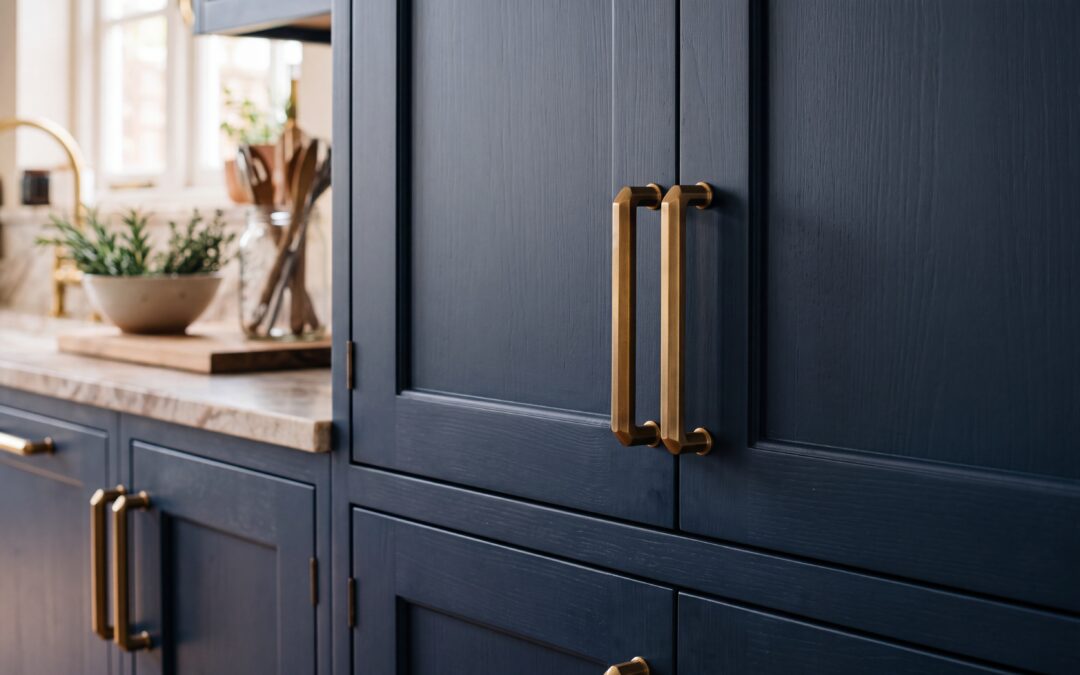
A full kitchen refit is often accompanied by significant disruption, substantial financial outlay, and unnecessary material waste. In contrast, if your existing cabinet carcasses remain structurally sound, opting for a targeted exterior upgrade is an exceptionally elegant solution. By focusing on replacing cupboard doors, you can breathe new life into your space at a fraction of the cost. This professional DIY guide outlines the meticulous steps required to achieve a flawless, designer-standard finish independently.
Planning and Precise Measurement
The cornerstone of any successful joinery project is absolute accuracy. Before selecting your aesthetic style, you must carefully audit your existing cabinetry. While many off-the-peg kitchens utilize standard configurations, minor variations exist between major manufacturers. For instance, if you are sourcing replacement kitchen doors for B&Q or Ikea cabinets, you will find that made-to-measure components can be seamlessly tailored to match these specific modular systems.
To measure correctly, use a high-quality steel tape measure and record your dimensions in millimetres. Always measure the reverse of the existing doors rather than the front, noting the overall height, width, and exact position of the hinge holes from the top and bottom edges. If you are updating tricky corner arrangements, ensure you select the appropriate configuration, such as a specialized wall corner unit or a taller corner wall 900 x 650mm cabinet to guarantee perfect clearance and a seamless facade.
Choosing Your Style and Finish
Once your measurements are secure, you can explore the extensive selection of replacement kitchen doors available. The modern market offers an array of finishes, from classic painted timber to sleek contemporary laminates, allowing you to customize the visual tone of your space:
- Handleless Doors: Ideal for minimalist aesthetics, offering clean lines and an ultra-modern feel.
- Classic Shaker: A timeless choice that balances traditional craftsmanship with versatile styling.
- High Gloss and Matt: Reflective surfaces expand smaller spaces, whilst matt finishes deliver a sophisticated, fingerprint-resistant depth.
Do not limit this strategy solely to your culinary spaces. You can achieve an equally transformative effect in other areas of your home by applying these budget-smart principles. Refreshing your space with replacement bedroom wardrobe doors is a fantastic way to align your bedroom aesthetic with the rest of your modernized property.
The Installation Process
Swapping your doors is a straightforward project when executed methodically. Begin by removing the existing doors, releasing the hinges from the cabinet mounting plates. Lay the old and new doors side by side to double-check that your hinge-hole drillings line up precisely. For detailed planning tips, referring to a comprehensive DIY guide to swapping the doors can prevent common installation pitfalls.
Next, secure your new hinges to the doors and clip them back onto the cabinet plates. Most modern European-style hinges feature three-way adjustment screws, allowing you to fine-tune the door height, lateral position, and depth. Adjusting these screws systematically ensures perfectly uniform gaps between all doors and drawer fronts. For a truly professional finish, consider exploring further effortless DIY ideas to transform your kitchen, such as updating matching end panels, plinths, and architectural cornices.
Optimizing Your Cabinets from Within
A sophisticated exterior should be matched by seamless functionality on the inside. Whilst completing your door replacement, take the opportunity to audit your internal storage. Integrating high-quality cabinet interiors, such as pull-out larder units or dynamic waste bins, transforms daily usability. Combining these internal storage systems with a clean facade is the ultimate budget upgrade for a designer-look kitchen, proving that you do not need to strip out perfectly good cabinets to achieve high-end luxury.